

15 minutes
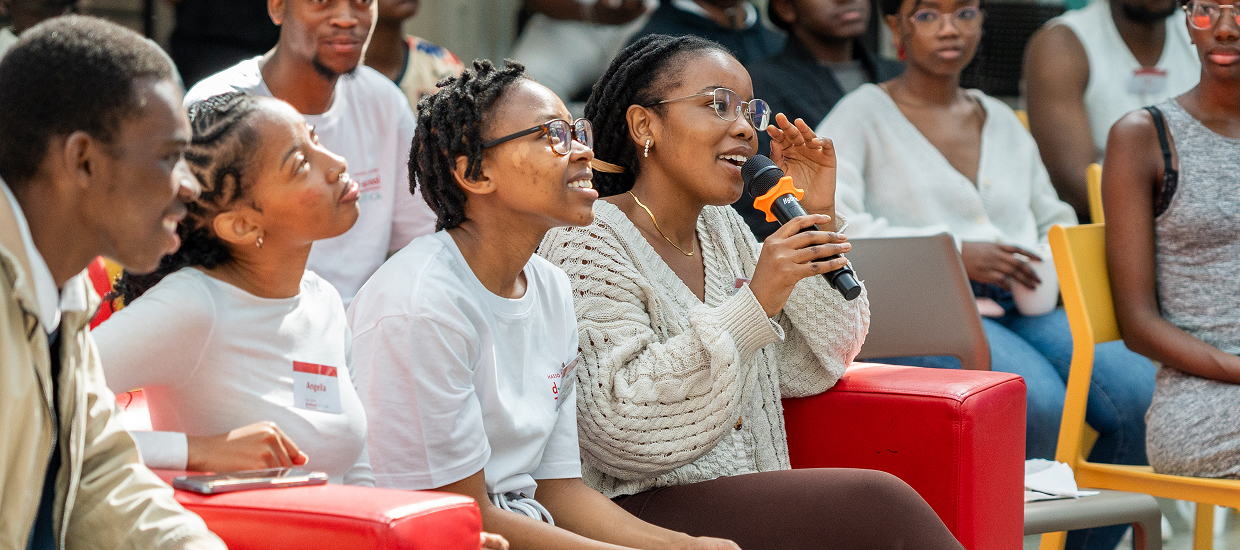
Photo: Students share ideas during a collaborative session at the Hasso Plattner d-school Afrika.
Design Thinking Week is open to registered students at any South African higher education institution, under the age of 35, regardless of degree or year of study. It's created for students who want an experience outside the standard curriculum, and those looking to gain skills and networks to kickstart their careers.
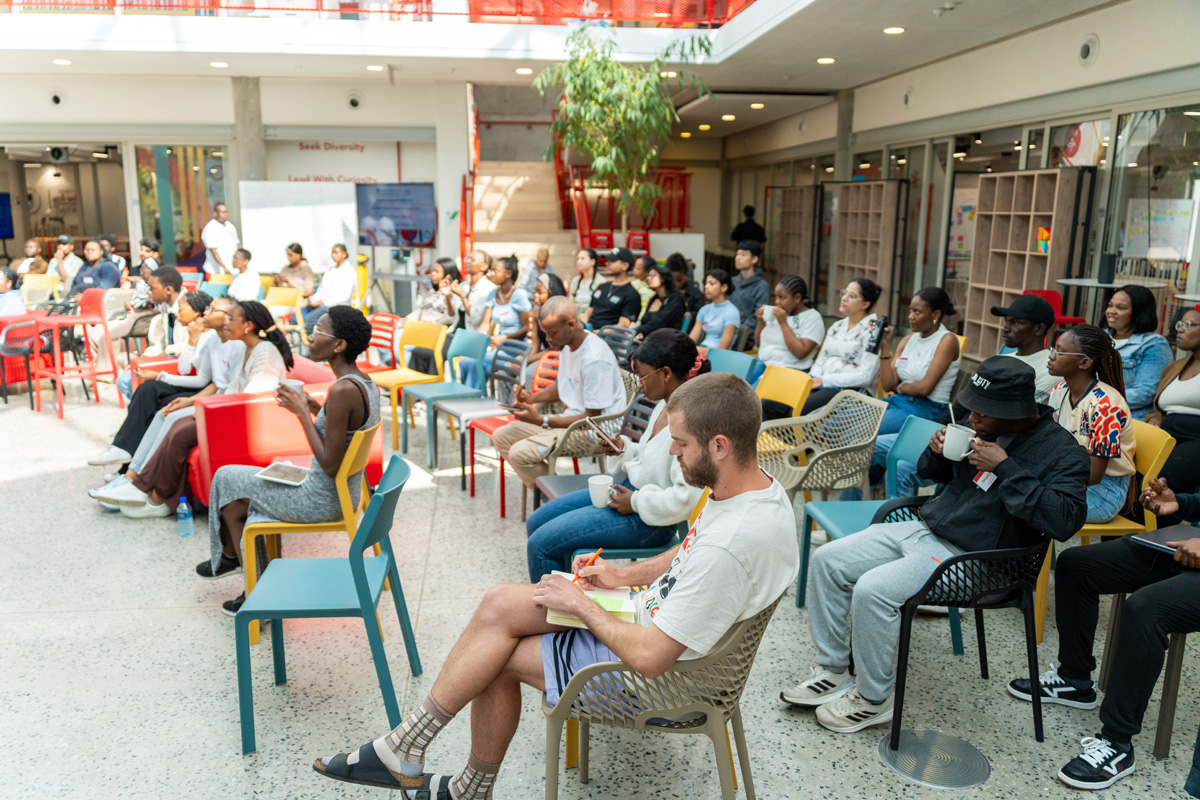
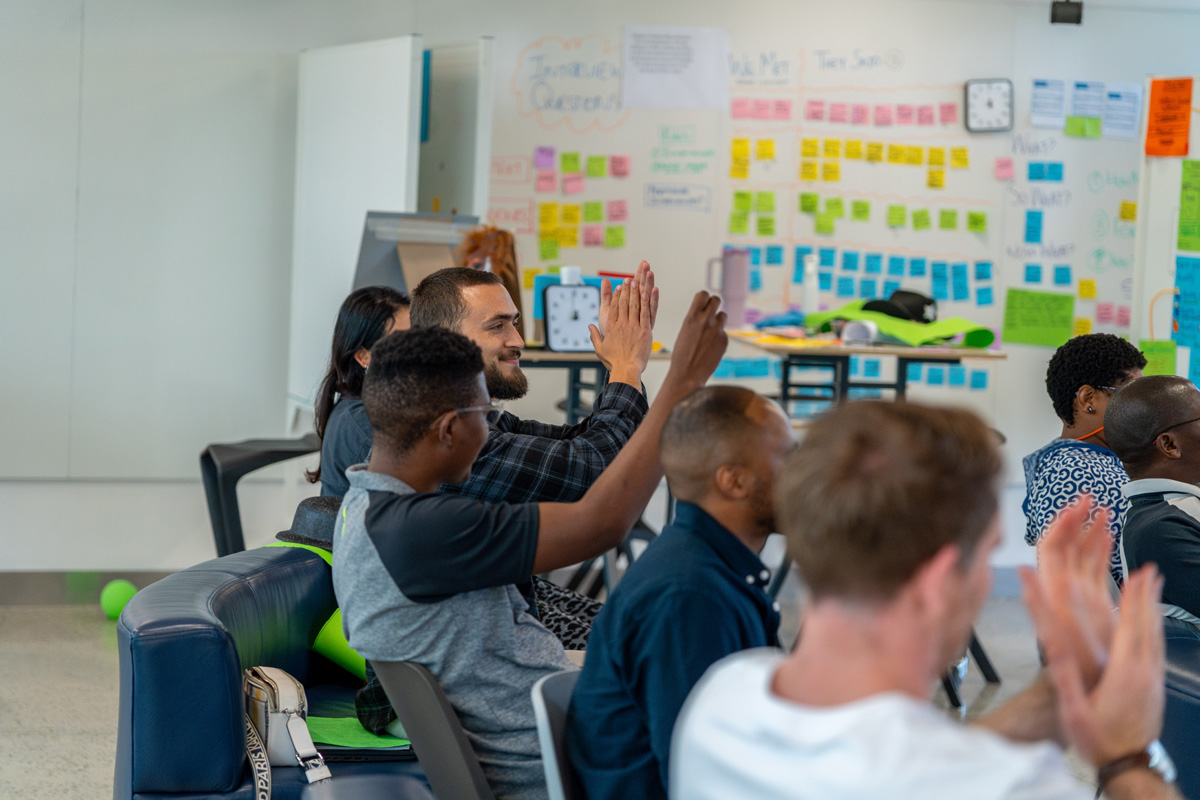
A live case study is a challenge provided directly by a business or organisation working through a wicked problem it has not yet solved. Instead of a scenario written for a classroom, students take on an open question from an organisation that needs critical thinking. This year, the case study anchors Design Thinking Week. The week begins with a challenge briefing on day one, and ends with a team pitch back to the partner on day five. In between, teams interview the people closest to the problem and test rough prototypes with the people the work is meant for.
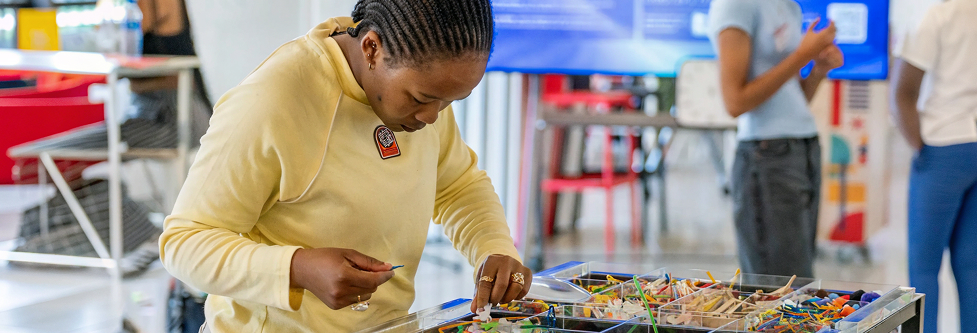
This year's case study comes from Bili Beadwear, a bead crafting business based in Wallacedene. One challenge statement asks students how the women bead crafters behind the business might gain agency and opportunity beyond earning an income.
A second challenge statement looks at the relationship between makers and buyers. It asks how local and international customers might connect more closely with the people and stories behind what they buy, at a time when fast, cheap fashion makes that connection easy to lose.
Over the five days, students develop a small set of practical capabilities anchored in design thinking that carry well beyond the programme:
Participants who complete the programme receive a certificate. Applications for Design Thinking Week 2026 close on 16 November 2026, and spaces are limited.
Want to explore more of the Hasso Plattner d-school Afrika’s programmes after Design Thinking Week? The Foundation Programme in Design Thinking is a nine-week option for students who want a deeper dive into the design thinking process.

Copyright 2026 Hasso Plattner d-school Afrika*